 Showrooms
  Call us:


Why is Laminate Flooring a Smarter, Value-Driven Specification for Commercial Projects?
Laminate flooring specification, when you look into it, increasingly favours modern systems like Trident Laminate Flooring, as it offers a cost-effective, durable, and low-maintenance alternative to wood, vinyl, or stone. For architects, developers, and quantity surveyors, it delivers the visual appeal of natural materials with lower project cost, easier maintenance, and less programme risk.
With faster installation thanks to the 5G click system, excellent lifecycle cost performance, and specification flexibility, it is a smart flooring choice for commercial and multi-unit residential projects focused on value engineering.
Why Do Cost-Effective Flooring Choices Matter More Than Ever on Live Commercial Projects?
At The Solid Wood Flooring Company, we know that architects, specifiers, and quantity surveyors are under constant pressure to deliver high-quality results while staying within tight budgets.
Value engineering is now a key part of the specification process, especially for commercial spaces where every decision must balance cost, durability, and design. On live commercial projects, those pressures are even greater, as flooring choices can affect installation speed, disruption, labour coordination, and long-term maintenance planning.
That’s exactly why we created Trident Laminate. It offers a smart, reliable alternative to real wood, stone, or vinyl by combining long-lasting performance with modern style and fast, efficient installation. For projects that demand both value and quality, Trident is a specification choice that works.
How Has Laminate Flooring Improved for Modern Specification?
Laminate flooring has changed dramatically over the years. It was once seen as a basic or temporary option, often lacking the look and feel of real materials. But that perception no longer holds true.
Today’s laminate flooring, especially our Trident range, uses advanced surface technology and a stable core structure to deliver both visual appeal and lasting performance. It is designed to meet the high expectations of commercial environments.
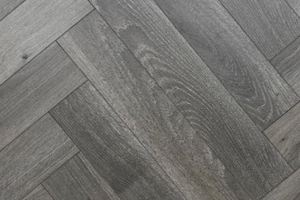
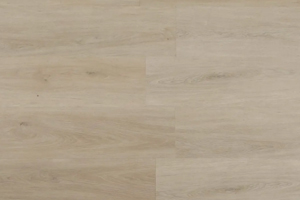
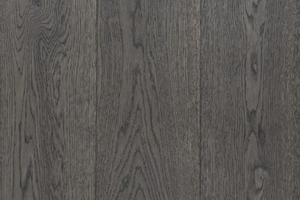
- Realistic finishes: From traditional oak to modern concrete tones, the surface textures and visuals are almost indistinguishable from natural wood or stone.
- Built for durability: AC3 to AC6 ratings mean these floors can handle heavy commercial traffic with confidence.
- Improved moisture resistance: Water-repellent performance and sealed edge technology make them suitable for a wide range of environments.
- Stronger sustainability credentials: Selected options within the Trident range include FSC-certified construction and a 100% PVC-free composition, helping support more responsible specification decisions.
Modern laminate is not just a budget-friendly alternative. It is a reliable, attractive, and high-performing specification that suits offices, retail stores, hospitality venues, student accommodation, build-to-rent schemes, and more.
Where Does Laminate Offer a Cost Advantage Over Wood, Stone, and Vinyl?
Laminate reduces project cost not only through lower material spend, but also through faster installation, less subfloor preparation, and lower long-term maintenance requirements.
Laminate flooring provides real savings across several critical areas of a project, beyond just the initial price per square metre.
Reliable supply at scale
Laminate flooring is manufactured in consistent batches, making it easier to source large volumes with uniform quality. This reduces procurement risk and avoids the variability in cost and lead times often seen with natural materials.
Lower site prep and conditioning requirements
Compared to wood or stone, laminate flooring needs minimal acclimatisation and is less sensitive to ambient moisture. This allows for quicker installation without extended delays or added site prep costs.
Streamlined labour and sequencing
Laminate can be fitted efficiently by general trades using straightforward installation methods. This reduces reliance on specialist fitters and makes it easier to coordinate trades during tight programmes.
No additional finishing or sealing
Laminate boards arrive fully finished. There is no need for on-site sanding, sealing, or staining, which helps control both cost and dust-sensitive scheduling on live sites.
Reduced damage during construction
Laminate is highly resistant to scratches and scuffs, meaning it often requires less protection during the build phase and less time spent on post-installation repairs or replacements.
Together, these savings can make a measurable difference on commercial projects where timelines are tight and budgets are closely monitored.
For specifiers focused on value without compromise, laminate remains a clear front-runner.
How Does the 5G Click System Speed Up Fit-Out Programmes?
For programme-led projects, the 5G click system helps reduce installation time and site disruption compared with more labour-intensive floor finishes.
One of Trident Laminate’s key advantages is the 5G click system, which is designed to speed up installation and reduce disruption on site.
- How it works: Boards are locked into place using a single-angle push-down mechanism, requiring no glue or specialist tools.
- Why it matters: Fitters can cover large areas quickly, helping to shorten programme durations and reduce labour costs.
- Ideal for live environments: The process is quiet, clean, and odour-free, making it suitable for refurbishments and projects in occupied buildings.
This installation method supports better scheduling, lower costs, and smoother project delivery for commercial projects that demand speed and reliability.
How Does Laminate Perform in High-Traffic Commercial Environments?
In busy commercial spaces, flooring needs to handle constant foot traffic while maintaining a professional appearance. Trident Laminate is built to meet that standard.
- Durable commercial flooring: AC4 and AC5-rated laminates are specifically designed for high-traffic use in retail, office, hospitality, and shared residential settings.
- No sanding or refinishing required: Unlike natural wood, laminate keeps its appearance over time with minimal maintenance and no need for disruptive resurfacing.
- Resistant to moisture and stains: Sealed surfaces protect against spills and humidity, making laminate a smart choice for kitchens, cafes, or shared areas.
- Lower and predictable lifecycle cost: Laminate avoids the specialist maintenance often needed with real wood or stone, giving specifiers greater control over long-term budgets.
Laminate flooring provides a dependable and cost-effective solution for any environment where durability, low upkeep, and visual consistency matter.
What Do Procurement Teams and QSs Need from Laminate Flooring?
Procurement teams and QSs typically need laminate flooring to demonstrate durability, compliance, predictable maintenance costs, and reliable supply at scale.
We understand that procurement teams and quantity surveyors need more than just a good-looking floor. Every product must meet strict criteria around performance, compliance, cost predictability, and long-term value. Trident Laminate flooring specification has been developed with these priorities in mind.
Proven commercial durability
Our laminates meet AC4 or AC5 wear ratings and come with warranties of up to 25 years, depending on the product. This supports performance in high-traffic environments with fewer long-term repair or replacement needs.
Realistic lifecycle cost planning
Because laminate does not require sanding, sealing, or specialist cleaning, ongoing maintenance costs are low and consistent. This makes it easier to model total flooring spend across the lifespan of a building.
Fully tested for compliance
All Trident Laminate products meet UK standards for fire safety, slip resistance, and indoor air quality. Documentation is available to support building regulations and design approvals.
Sustainable and responsible sourcing
We offer laminate options made with FSC-certified core materials and low-VOC finishes. Many products are recyclable at the end of life, supporting sustainability targets and BREEAM assessments. In the Trident range, 100% PVC-free construction also strengthens the case for projects aiming to reduce reliance on less sustainable material choices.
With reliable certifications and technical data on hand, Trident Laminate supports faster approvals, lower risk, and greater certainty during the specification process.
When Should You Choose Laminate Instead of Wood, Stone, or Vinyl?
Laminate is often the right choice where appearance, durability, speed of installation, and budget control all need to be balanced within one specification decision.
Commercial projects demand flooring that performs under pressure, looks professional, and fits within strict budget and time constraints. Trident Laminate Flooring delivers on all fronts.
With advanced features like the 5G click system, high durability ratings, and low lifecycle costs, laminate has become a reliable specification for offices, retail, education, hospitality, student accommodation, and build-to-rent spaces. It installs quickly, requires minimal maintenance, and supports sustainable design goals without sacrificing visual appeal.
Compared to real wood, stone, or vinyl, the value is clear. Laminate gives you greater cost control, shorter project timelines, and long-term performance you can count on.
Explore our full Commercial Laminate Flooring range to see why more architects, designers, and QSs are choosing laminate for high-impact, value-engineered builds.
Laminate Flooring Specification FAQs
Is laminate flooring suitable for commercial specification?
Yes, laminate flooring can be a strong specification choice for commercial projects where durability, cost control, and ease of maintenance are key priorities. For offices, hospitality spaces, retail environments, and multi-unit residential schemes, the right laminate specification can provide a practical wood-look finish with strong day-to-day performance.
What wear rating should specifiers look for in commercial laminate flooring?
For many commercial environments, AC4 is a common starting point, with higher ratings considered where traffic levels are more demanding. Wear rating should be reviewed alongside the end use, expected footfall, cleaning regime, and any wider performance requirements within the specification.
Is laminate flooring a good option for student accommodation or build-to-rent?
It can be, particularly where the project needs a balance of speed, durability, cost efficiency, and visual consistency across multiple units. These environments often benefit from flooring that is straightforward to install, easy to maintain, and suited to repetitive specification across large schemes.
How does laminate compare with engineered wood on lifecycle cost?
Laminate will often reduce upfront spend and ongoing maintenance compared with engineered wood, especially where refinishing is unlikely to form part of the maintenance plan. Engineered wood may still be preferred where a real timber wear layer is important, but laminate can be the more practical option for value-engineered schemes.
Can laminate flooring support sustainability goals?
It can contribute where the product is backed by recognised environmental credentials and responsible material choices. Within SWFC’s Trident range, relevant supporting points include FSC-certified construction and a 100% PVC-free composition, which help strengthen the sustainability case when assessed alongside wider project criteria.
What technical documents should specifiers request before approval?
Specifiers should normally request the core technical information needed to assess suitability for the intended environment. This may include wear classification, slip and fire data where relevant, installation guidance, maintenance information, and sustainability documentation so the product can be reviewed properly against project requirements.
 Showrooms
 Call us: