 Showrooms
  Call us:


Maximise the Benefits of Laminate Flooring in Commercial Builds
Quick Summary
Laminate flooring can be a good option for commercial projects if it meets the right specifications. Commercial-grade laminate is designed to handle high foot traffic, resist wear and moisture, reduce noise with the right underlay, and offer a low-maintenance finish. It is commonly used in offices, hotels, retail spaces, and shared areas where durability and cost efficiency are important.
For commercial specifications, laminate should be selected against traffic class, moisture exposure, acoustic requirements, installation method, and sustainability credentials. Where kitchens, washrooms, student accommodation, hospitality, or high-spillage areas are involved, Trident waterproof laminate should be considered for added protection.
Contents
- What flooring demands should commercial laminate meet?
- What Defines “Commercial-Grade” Laminate?
- How does commercial laminate perform in high-traffic areas?
- Can laminate flooring help control noise in commercial interiors?
- Is laminate flooring suitable for moisture-prone commercial areas?
- What should specifiers know about sustainability, installation, and maintenance?
- Where is laminate flooring most suitable in commercial projects?
- Specification terms explained
- Commercial laminate decision table
- Related Questions People Also Ask
- Final Guidance: Is It the Right Fit for Your Project?
Laminate flooring is a viable option for many commercial projects when the correct specifications are selected. Commercial-grade laminate complies with standards such as BS EN 13329, offering durability, impact resistance, and wear performance in high-traffic settings. With the appropriate underlay, laminate can also deliver excellent acoustic results, making it well-suited for offices, hotels, and public environments.
Moisture-resistant options are available, though care should be taken in very wet zones. Laminate is a cost-effective, low-maintenance alternative to wood or stone, delivering consistent appearance and performance. At The Solid Wood Flooring Company, we provide expert guidance to ensure your project benefits from the most appropriate specification.
What flooring demands should commercial laminate meet?
At The Solid Wood Flooring Company, we understand the unique challenges of commercial interiors. Whether you’re an architect designing an office fit-out or a contractor working on a hotel refurbishment, flooring must deliver on durability, acoustic performance, aesthetics, and efficiency.
Our commercial laminate flooring is engineered for these demands. It combines high-end visuals with robust specifications, offering a reliable solution for everything from busy receptions to guest rooms.
What Defines “Commercial-Grade” Laminate?
Commercial-grade laminate is laminate flooring tested for higher levels of wear, impact, and surface durability than domestic products. For professional projects, specifiers should check the relevant use class, wear rating, core construction, moisture resistance, and installation system before selection.
Not all laminate flooring is made equal. For commercial use, only commercial-grade laminate flooring that complies with the BS EN 13329 standard should be specified. This European classification outlines wear resistance, impact resistance, and general durability.
Key performance classes include:
- Class 32: suitable for general commercial traffic
- Class 33: suitable for heavy commercial traffic
Commercial laminate also features:
- Thicker wear layers to withstand abrasion
- High-density fibreboard (HDF) cores for strength and stability
- Advanced surface finishes that mimic natural materials without the upkeep
Explore the BS EN 13329 standard here.
How does commercial laminate perform in high-traffic areas?
In high-traffic settings, commercial laminate is suitable when the wear layer, core density, and locking system are specified for the expected use. This is particularly important in offices, hotel corridors, retail units, student accommodation, and shared residential amenity spaces.
In commercial spaces where foot traffic is constant, such as offices, retail stores, and hotels, flooring must withstand intense daily use. This includes not only pedestrian movement but also the pressure of trolleys, suitcases, and rolling chairs.
At The Solid Wood Flooring Company, our high-traffic laminate flooring is specifically engineered for these demanding environments. Built with a dense core and a durable wear layer, it resists abrasion, dents, and scuff marks, maintaining its appearance even in the busiest areas.
Ideal Applications:
- Retail environments with steady customer footfall
- Hotel corridors and common areas with suitcase traffic
- Open-plan offices with mobile furniture and frequent use
Properly installed, our commercial-grade laminate can last 10–15 years, significantly outlasting many low-cost alternatives. It offers a practical balance of performance, aesthetics, and long-term value for any high-traffic commercial setting.
Can laminate flooring help control noise in commercial interiors?
In commercial interiors, managing noise is just as important as choosing the right visuals. Whether it’s a buzzing office or a busy hotel, excessive sound can disrupt productivity and comfort.
Our acoustic laminate flooring, when paired with the correct underlay, can significantly reduce sound transmission between floors and within rooms. This makes it an excellent choice for environments where sound control is a priority.
Best suited for:
- Meeting rooms that demand privacy
- Hotel suites requiring quiet, restful environments
- Co-working and shared office spaces where noise can impact focus
For best results, we recommend early planning and specification of underlay as part of the flooring package.
Is laminate flooring suitable for moisture-prone commercial areas?
Standard laminate should not be treated as waterproof. For kitchens, bathrooms, basements, staff areas, and other spillage-prone environments, a water-resistant or waterproof specification such as Trident should be considered.
While laminate is not naturally waterproof, many modern options are engineered to repel spills and humidity.
Key features include:
- Hydrophobic surface coatings
- Tightly sealed locking systems
- Edge protection against swelling
These qualities make our laminate a strong choice for entrances, staff kitchens, and lounges.
For projects involving more water exposure, such as communal washrooms, we recommend our Trident waterproof laminate: a specialist product for wet environments.
What should specifiers know about sustainability, installation, and maintenance?
Sustainable flooring should be practical, efficient, and easy to work with. Our commercial laminate flooring is designed to meet all three goals.
Sustainability
- Made with FSC® certified cores from responsibly managed forests
- Uses low-VOC finishes to support better indoor air quality
- Contains recyclable materials for easier end-of-life processing
Installation
- Click-fit system allows for quick, clean installation
- No glue or nails required
- Reduces time on site and helps avoid delays on busy commercial projects
Maintenance
- No sanding, polishing, or sealing needed
- Stays clean with regular vacuuming and damp mopping
- Durable surface that maintains its look with minimal effort
This makes our laminate flooring a smart, low-maintenance solution for commercial spaces that demand long-term performance and responsible sourcing.
Where is laminate flooring most suitable in commercial projects?
Over the years, we’ve worked with architects, designers, and contractors across the UK to supply laminate flooring for a wide range of commercial settings. Thanks to its durability, consistent appearance, and ease of maintenance, laminate performs particularly well in spaces where aesthetics and practicality need to go hand in hand.
Offices
Ideal for areas where teams spend long hours and furniture is frequently moved.
- Open-plan workspaces: Withstand wear from chairs, desks, and high foot traffic.
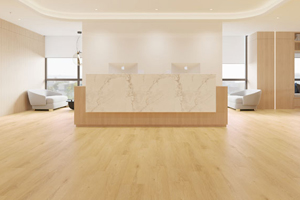
- Reception zones: Create a professional first impression with minimal upkeep.
- Conference and meeting rooms: Deliver a smart, quiet, and easy-to-clean finish.
Hospitality
Balances comfort, cleanliness, and a warm design feel for guests and staff.
- Hotel guest rooms: Offer a timber-look finish without the maintenance of real wood.
- Corridors and lift lobbies: Handle the pressure of rolling luggage and constant movement.
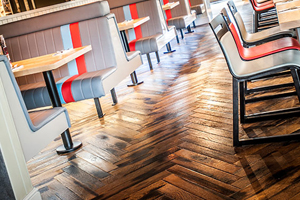
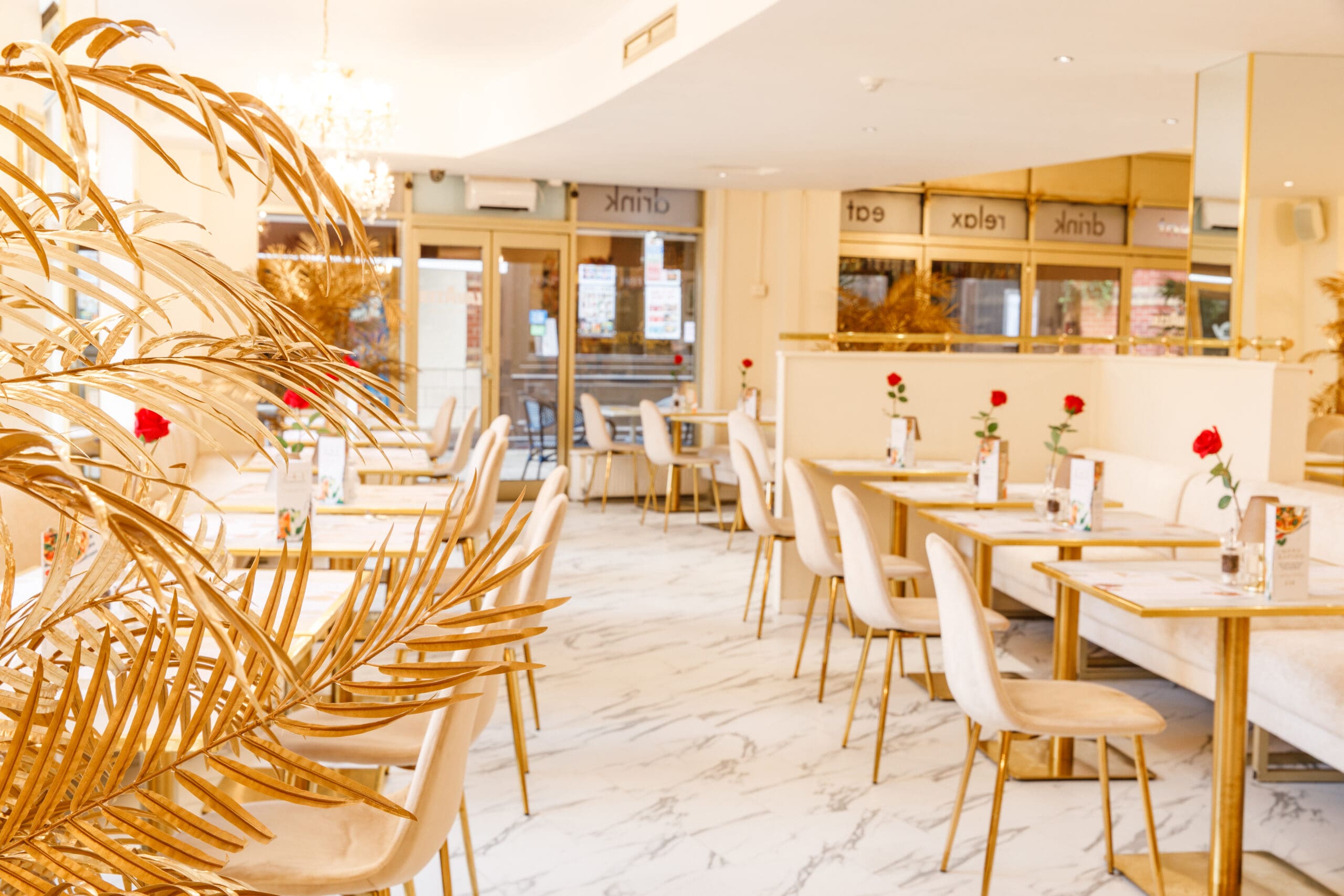
- Lounges and cafés: Provide a stylish and durable backdrop to high-use communal spaces.
Mixed-Use Developments
Supports projects where residential, retail, and amenity spaces meet.
- Residential entrance areas: Durable enough for daily foot traffic and deliveries.
- Retail units: Cost-effective and quick to install during phased fit-outs.
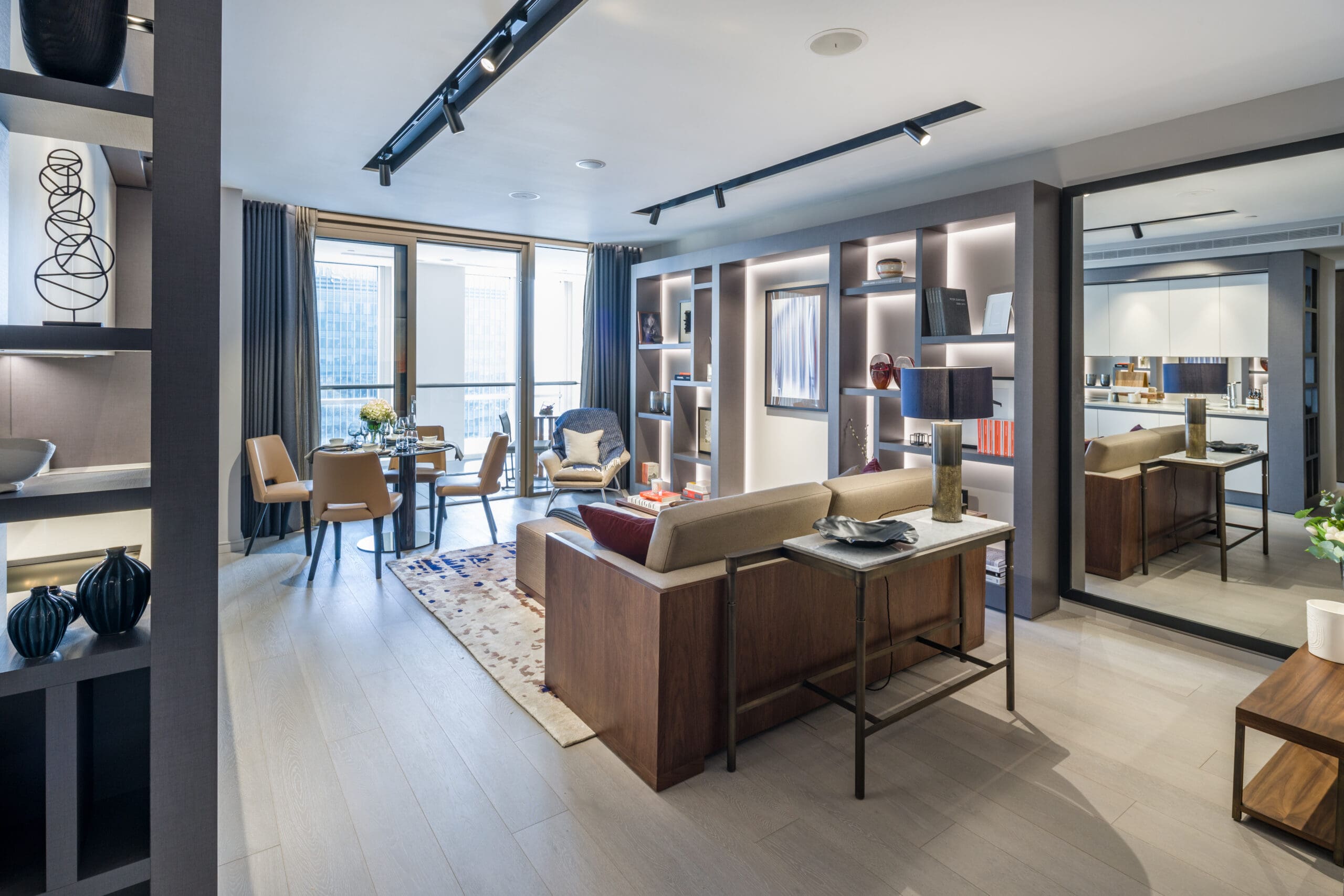
- Amenity floors: Clean, contemporary feel that’s easy to maintain in shared zones.
While laminate performs well in a wide range of environments, it’s important to note its limitations.
For projects involving kitchens, bathrooms, or similar spaces, we suggest exploring our moisture-resistant or Trident waterproof laminate options for added protection.
Specification terms explained
When comparing laminate flooring for commercial projects, the terminology used in product data sheets can directly affect specification decisions. The following terms are particularly relevant when assessing durability, stability, indoor air quality, and sustainability credentials.
- HDF core: High Density Fibreboard, the structural core of many laminate floors. A denser core improves stability and impact resistance, helping the floor withstand regular use in busy commercial environments.
- AC rating: A wear classification used to indicate abrasion resistance. Higher-rated products are generally more suitable for heavier traffic, making this an important check for offices, hospitality settings, student accommodation, and other shared spaces.
- VOC: Volatile Organic Compound. Low-VOC finishes help support better indoor air quality, which can be important for workplaces, education settings, healthcare environments, and residential developments.
- FSC certified: Indicates timber or wood-based material sourced from responsibly managed forests. For commercial specifications, FSC certification can help support responsible sourcing requirements and wider sustainability targets.
Commercial laminate decision table
| Project condition | Standard commercial laminate | Trident waterproof laminate |
|---|---|---|
| General office areas | Suitable | Suitable |
| Hotel bedrooms | Suitable | Suitable |
| Corridors and receptions | Suitable if traffic rating is correct | Suitable |
| Staff kitchens and tea points | Use caution | Recommended |
| Washrooms or high-spillage zones | Not usually ideal | Recommended where specification allows |
| Student accommodation | Suitable in lower-risk areas | Stronger option for shared and spill-prone areas |
People Also Ask (FAQs)
1. Is laminate flooring suitable for commercial use?
Laminate flooring is suitable for commercial spaces when a commercial-grade specification is used. It performs well in offices, hotels, retail environments, and other high-traffic areas.
2. What type of laminate flooring is best for high-traffic areas?
The best choice for high-traffic commercial settings is Class 33 laminate flooring. It typically features a high-density fibreboard core and a thicker wear layer for added durability.
3. Can laminate flooring reduce noise in offices or shared spaces?
Laminate flooring can help reduce noise when installed with an acoustic underlay. This combination is effective in offices, meeting rooms, hotels, and co-working areas where sound control is important.
4. Is laminate flooring waterproof?
Most laminate flooring is water-resistant, not waterproof. For areas with frequent moisture or spills, such as kitchens or washrooms, a waterproof laminate product should be specified.
5. Is commercial laminate flooring easy to maintain?
Commercial laminate flooring is low-maintenance. It only requires regular vacuuming and damp mopping, with no sanding, sealing, or polishing needed.
6. How long does laminate flooring last in commercial settings?
With proper installation and care, commercial-grade laminate flooring can last between 10 and 15 years, even in busy, high-use environments.
7. What laminate flooring rating is suitable for commercial projects?
Commercial projects should use laminate with an appropriate commercial wear classification for the expected traffic level. Specifiers should consider use class, abrasion resistance, impact resistance, core density, locking system, and moisture exposure rather than selecting on appearance alone.
8. Is AC4 laminate suitable for commercial use?
AC4 laminate can be suitable for many commercial applications, depending on the project environment and traffic level. It is commonly used where durability, wear resistance, and easy maintenance are required, but the final specification should consider moisture exposure, acoustic needs, and expected loading.
9. Can laminate flooring be used in student accommodation?
Laminate can be suitable for student accommodation where the product offers strong wear resistance, moisture protection, easy maintenance, and acoustic control. Trident laminate is particularly relevant for shared residential settings, corridors, kitchens, and other areas where durability and ease of maintenance are important.
10. Is waterproof laminate suitable for commercial kitchens or washrooms?
Waterproof laminate may be suitable for some commercial kitchens, washrooms, and spill-prone areas, provided the product is specified correctly and installed according to guidance. Trident offers a waterproof option and is positioned for areas where spillages are more likely.
11. What sustainability credentials should specifiers check for laminate flooring?
Specifiers should check whether the product uses responsibly sourced materials, FSC certification, low-VOC finishes, and relevant environmental documentation. These credentials help support project requirements around responsible sourcing, indoor air quality, and environmental performance.
12. Is laminate flooring suitable for hospitality projects?
Laminate can be suitable for hospitality interiors such as guest rooms, corridors, lounges, cafés, and reception spaces where durability, cleanability, and design consistency are important. In areas with frequent spillages, water-resistant or waterproof laminate should be specified.
Final Guidance: Is It the Right Fit for Your Project?
Laminate flooring can be a smart choice for many commercial environments, but only if it matches the needs of your project. Use this simple checklist to decide:
- Traffic level: Is the area busy daily with staff or visitors?
- Acoustic needs: Will sound travel disturb people nearby or in adjacent rooms?
- Moisture exposure: Are there kitchens, entrances, or humid areas?
- Design goals: Do you need a wood or tile look without the high cost or upkeep?
- Installation timeline: Is a fast, hassle-free fitting a key requirement?
- Budget: Do you need a cost-effective solution that still performs well?
If you’ve answered yes to most of the above, laminate could be the right fit.
The Solid Wood Flooring Company works with architects, interior designers, developers, and contractors on commercial and multi-unit residential specifications. Our role is to help match flooring performance to the environment, including traffic levels, moisture exposure, acoustic requirements, sustainability credentials, and long-term maintenance expectations.
Our team at The Solid Wood Flooring Company has years of experience advising architects, contractors, and designers. We’re here to help you match the right flooring to your space, performance needs, and design intent, without overcomplicating the process.
For tailored product guidance and laminate samples, get in touch with The Solid Wood Flooring Company. Our team can help you select the right solution based on your project’s traffic, moisture, and design requirements.
 Showrooms
 Call us: