 Showrooms
  Call us:


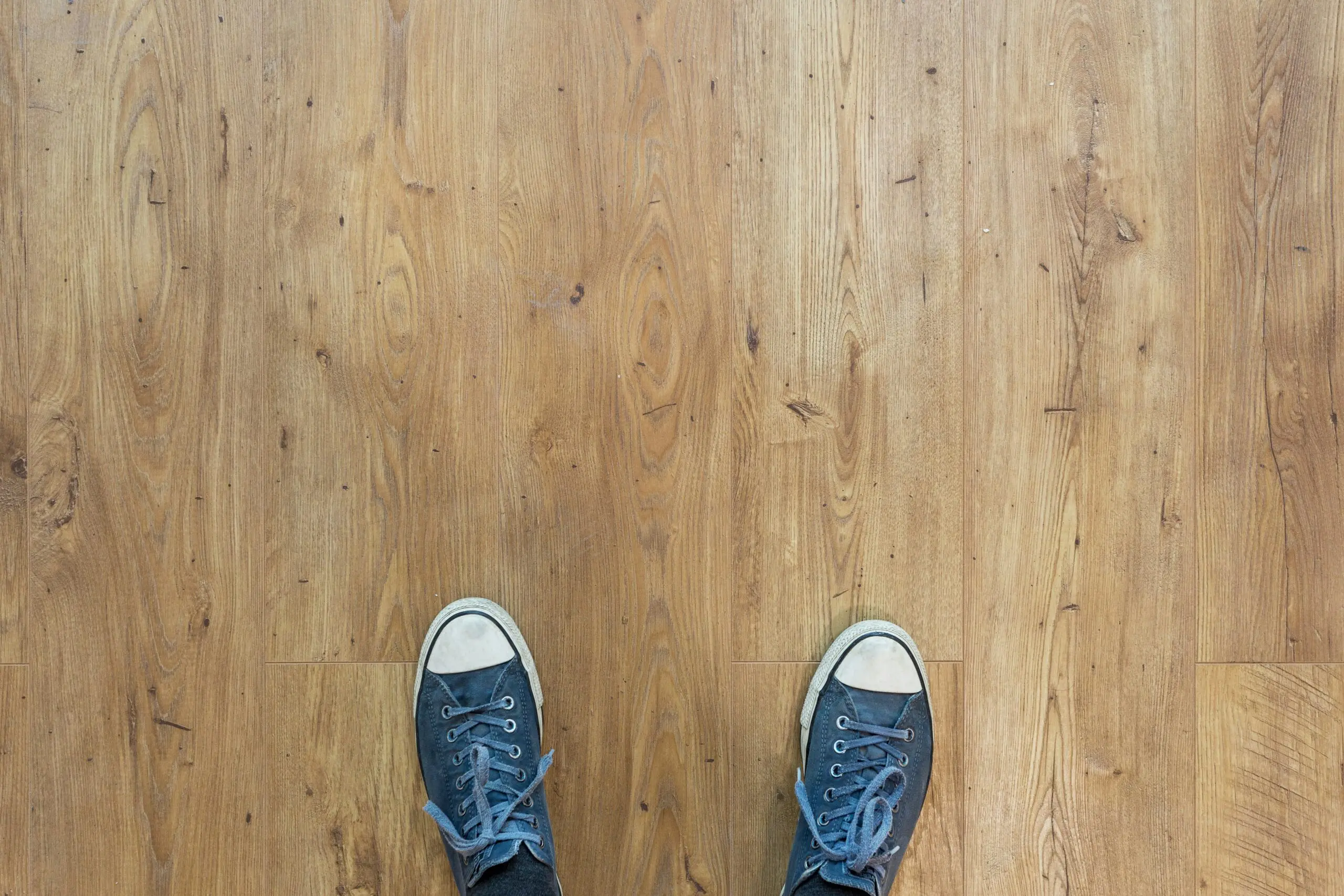
A sticky or tacky oiled wood floor is usually caused by excess oil drying unevenly on the surface. Here, we explain how to clean and rework the floor to restore an even finish.
Please note: The following guide is only applicable to oiled, hard wax oiled and UV oiled flooring. If your floor is lacquered, please contact us for different instructions.
If too much oil has been applied, excess oil can remain on the surface and dry unevenly, leaving areas that feel sticky. The following procedure can help resolve this.
Before starting: Always test the treatment on an inconspicuous area first. Ensure all cleaning and maintenance products are compatible with the existing oil finish and follow the relevant manufacturer’s instructions.
1. Vacuum
Thoroughly vacuum the floor to remove loose dust, dirt and installation debris.
2. Clean
Prepare a strong solution of a suitable pH-neutral wood-floor cleaning soap using very warm, but not boiling, water. Clean the floor using a clean, well-wrung sponge mop.
Do not saturate the timber; the mop should be damp rather than wet. When cleaning larger areas, regularly rinse the mop in clean water and replace the cleaning solution as necessary.
3. Dry and assess
Allow the floor to dry completely, then check for any remaining sticky or tacky areas.
If the tackiness has been removed: No further treatment is required.
If tackiness remains: Proceed to Stage 2.
If tackiness remains, a compatible maintenance oil can be used to soften and redistribute excess surface oil. You will require an orbital buffing machine fitted with a clean white or beige nylon pad.
Important: The aim is not to apply another heavy layer of oil. Fresh maintenance oil reactivates excess surface oil, allowing it to be redistributed and absorbed into the timber. Do not apply maintenance oil by roller, as this can leave excessive oil on the surface.
4. Apply the oil
Apply a small amount of compatible maintenance oil to a clean, white, lint-free cloth. The cloth should be well impregnated but not dripping. Work in small, manageable areas.
5. Buff
Immediately work the treated area with the orbital buffing machine, keeping it moving in a smooth, sweeping motion. Maintain a wet edge between adjacent areas to minimise overlap, swirl marks or uneven sheen.
6. Finish
Continue working in small sections until the sticky patches and visible marks have been removed. The surface should be even and consistent, with no wet, oily or visibly patchy areas.
If excess oil remains visible, continue buffing with a clean pad until the surface is dry to the touch.
Allow the floor to dry in accordance with the maintenance-oil manufacturer’s instructions. Avoid unnecessary foot traffic until sufficiently dry and, where applicable, allow approximately 24 hours before light use.
The oil will continue to cure for a week after drying. During this period, do not wet the floor or drag anything across it.
Excess oil may return to the surface during the first several hours after treatment. If small oily spots appear, lightly buff the affected area using a clean white or beige pad.
If the floor remains sticky, or if there is any doubt about the type or quantity of oil applied, do not apply further oil. Contact The Solid Wood Flooring Company or the finish manufacturer for advice before carrying out further treatment.
 Showrooms
 Call us: 01666 504 015