 Showrooms
  Call us:


At Seaton House, the flooring does more than connect one room to the next. It helps change the mood as you move through the hotel, from the lighter oak of the public spaces to the richer tones of the bar, patterned timber in the restaurant and practical herringbone flooring in the guestrooms.
Sitting beside the Old Course in St Andrews, overlooking the West Sands and close to the Royal & Ancient clubhouse, Seaton House occupies a setting with more than its fair share of history. The property dates back to 1864 and has been transformed into a 42-bedroom five-star hotel, with interiors that balance contemporary hospitality with the character of its Scottish surroundings.
Upperworth Studios drew on the landscape, local flora and fauna, the North Sea and St Andrews itself to create a strong sense of place. Timber, tartans, tweeds and earthy colours feature throughout, making the flooring an important part of the wider material palette.
The Solid Wood Flooring Company supplied more than 400m² of flooring for the project, including circa 350m² of engineered wood across the public and dining areas. Rather than specifying one floor throughout, different products, colours and formats were chosen according to the atmosphere and practical requirements of each space.
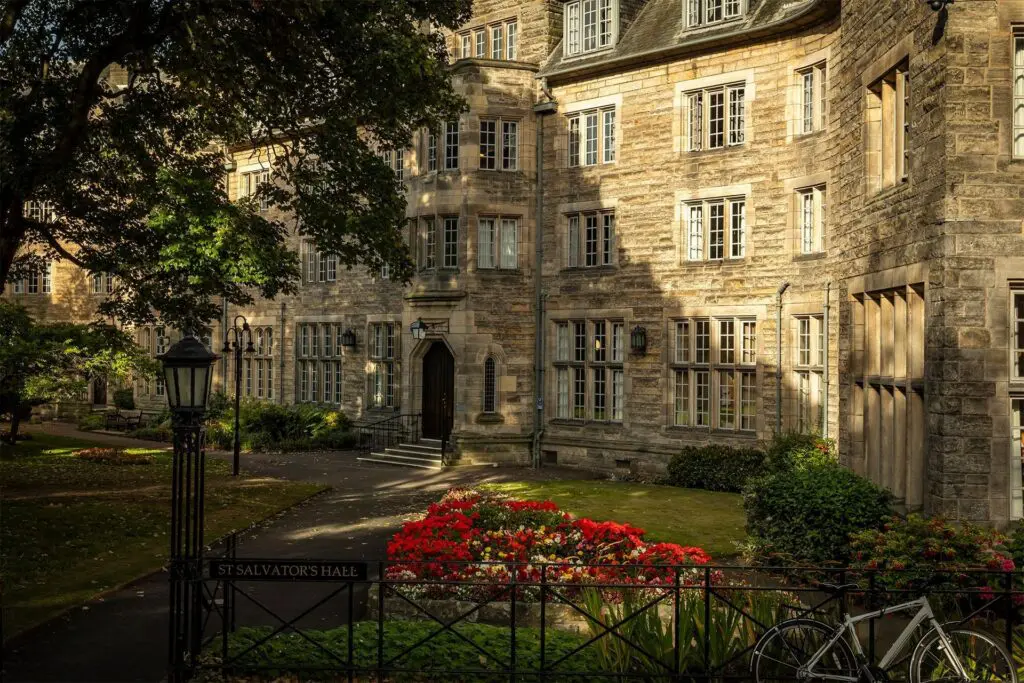
Credit: Seaton House, (seatonhouse.com/stay)
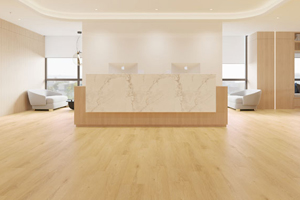
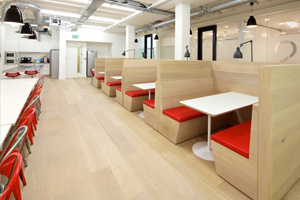
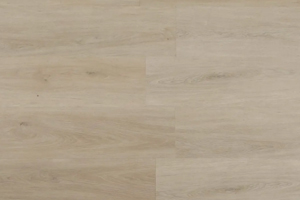
For the main public areas, the choice was E153 Brushed Fumed White UV Oiled Oak.
Its lighter tone provides a calm foundation for the furniture, textiles, joinery and architectural details around it, while the brushed surface retains the texture and character you would expect from natural oak.
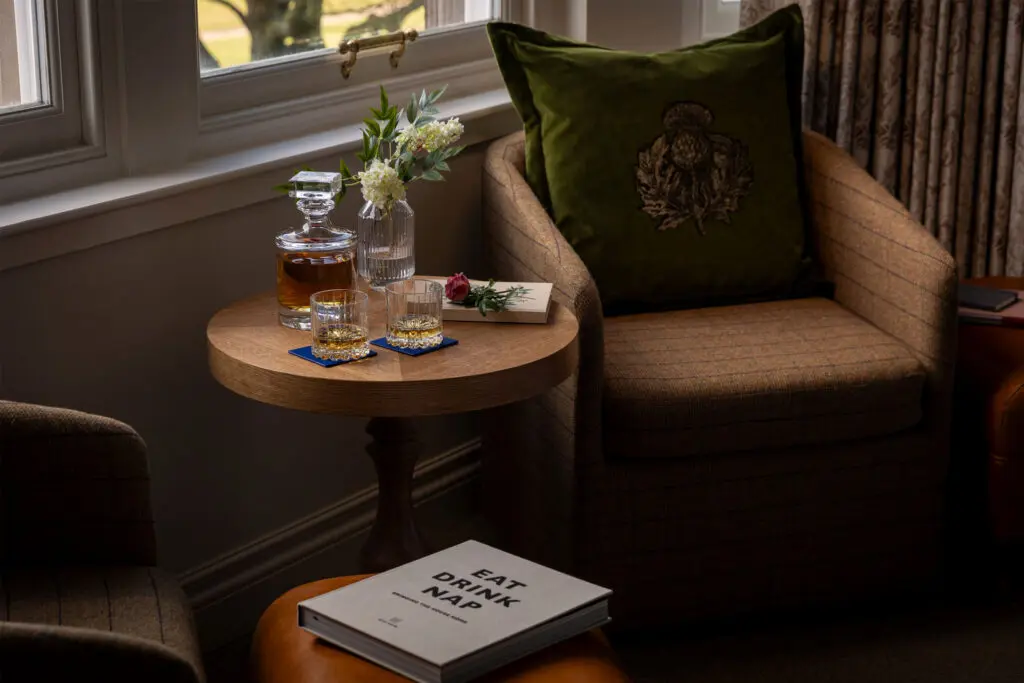
Credit: Seaton House, Sleeper Magazine (sleepermagazine.com/stories/projects/seaton-house-opens-its-doors/)
One of the more important conversations around E153 was not simply which floor to use, but how to manage its natural variation.
No two oak boards are identical. Differences in grain and tone are part of the appeal of real timber, but across a large hospitality floor those differences need to be understood before installation begins.
We worked with the project team to consider the colour variation within the E153 and calculate an appropriate overage. This gave the installers greater flexibility to select and distribute boards across the space, retaining the natural character of the timber while achieving the balance required by the interior scheme.
It is a relatively small part of the specification process, but exactly the kind of decision that can have a noticeable impact on the finished floor.
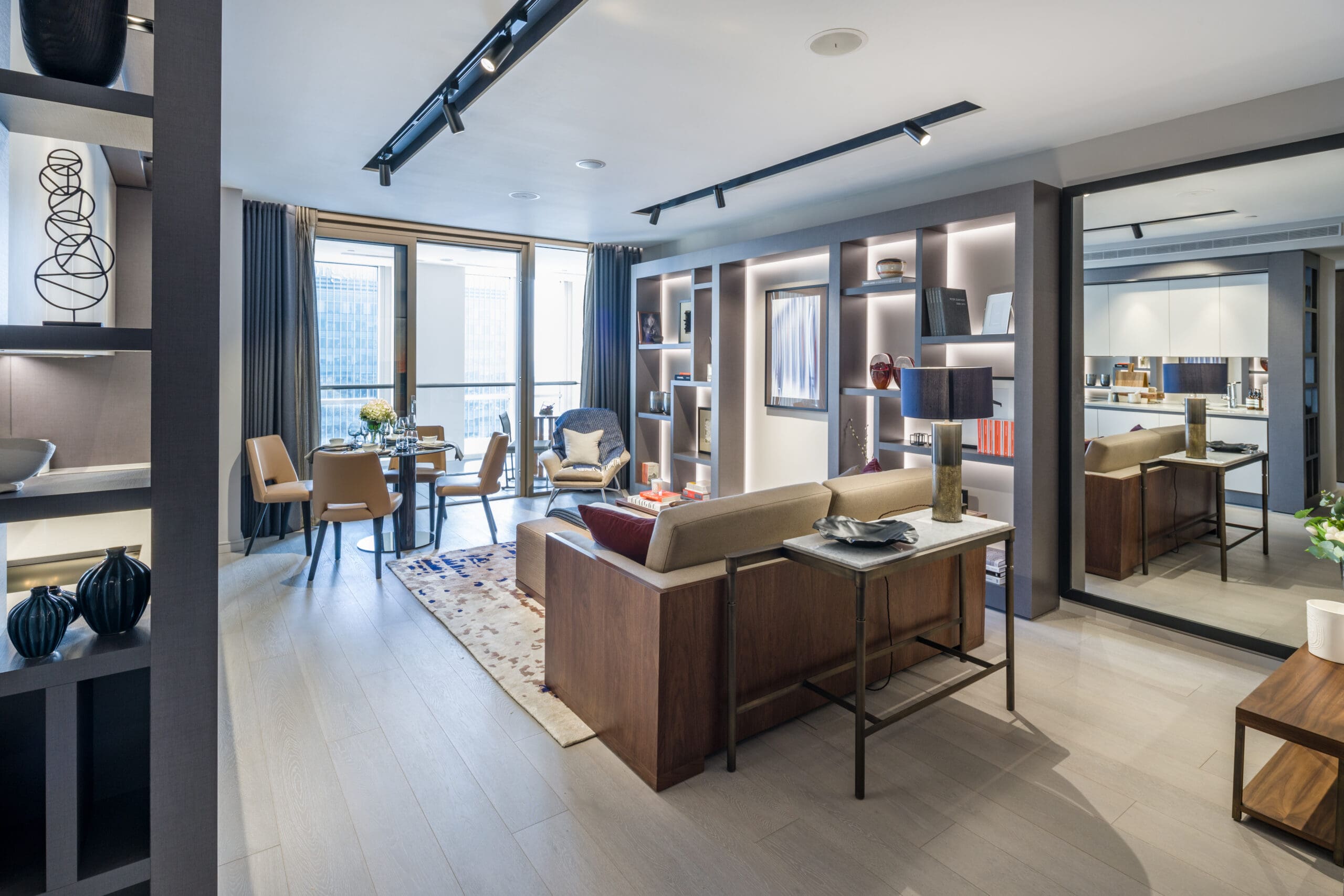
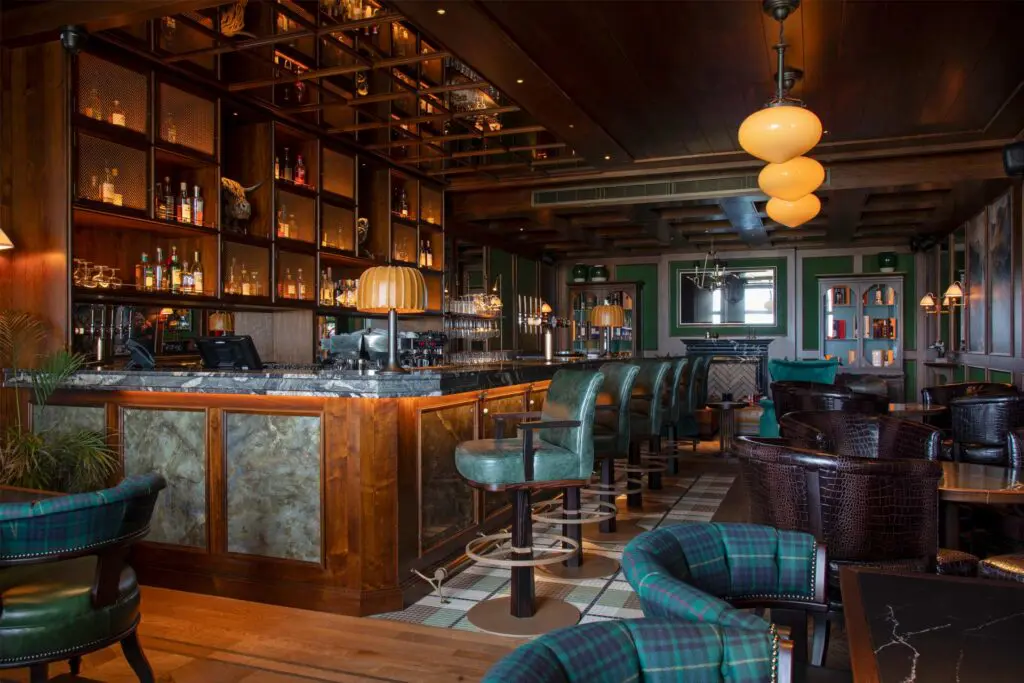
The mood changes in the hotel bar, and so does the flooring.
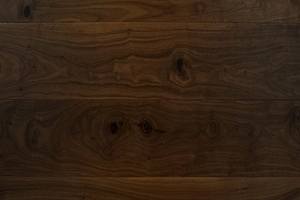
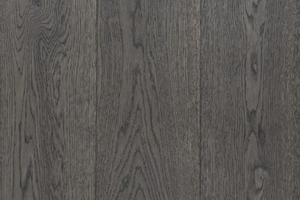
Here, TW-E934 Antique Dark Brown Hard Wax Oiled Oak Chevron Parquet was specified alongside TW-E507 Narrow Brushed Smoked Oak.
The deeper oak tones work naturally with the earthy greens and warm timber used elsewhere in the bar, giving the room a richer and more intimate feel than the lighter public spaces.
Chevron introduces a strong sense of direction and pattern underfoot, while the smoked oak adds another layer of natural texture.
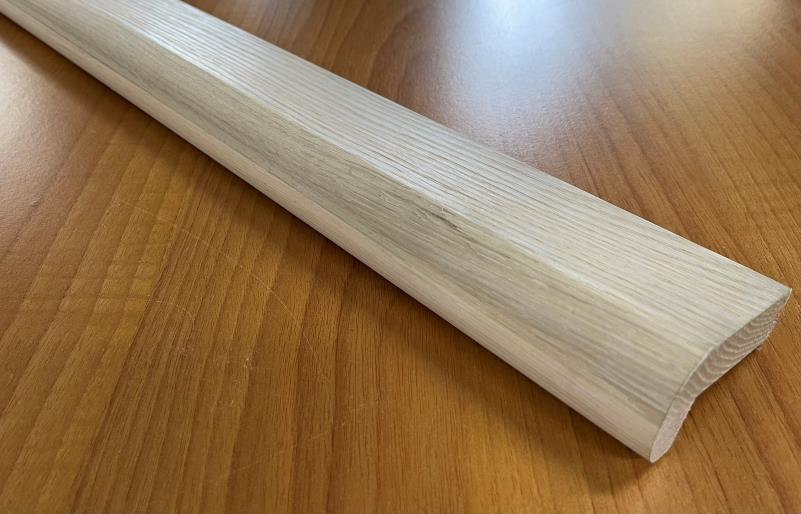
The TW-E934 chevron was also bordered with solid Wenge timber trim. Its darker tone creates a crisp edge around the parquet and gives the floor the appearance of a framed architectural feature.
Credit: Seaton House, Sleeper Magazine (sleepermagazine.com/stories/projects/seaton-house-opens-its-doors/)
Credit: Seaton House, Sleeper Magazine (sleepermagazine.com/stories/projects/seaton-house-opens-its-doors/)
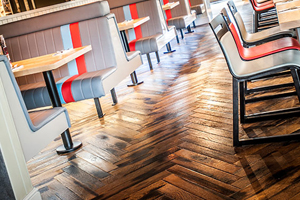
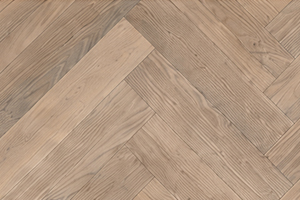
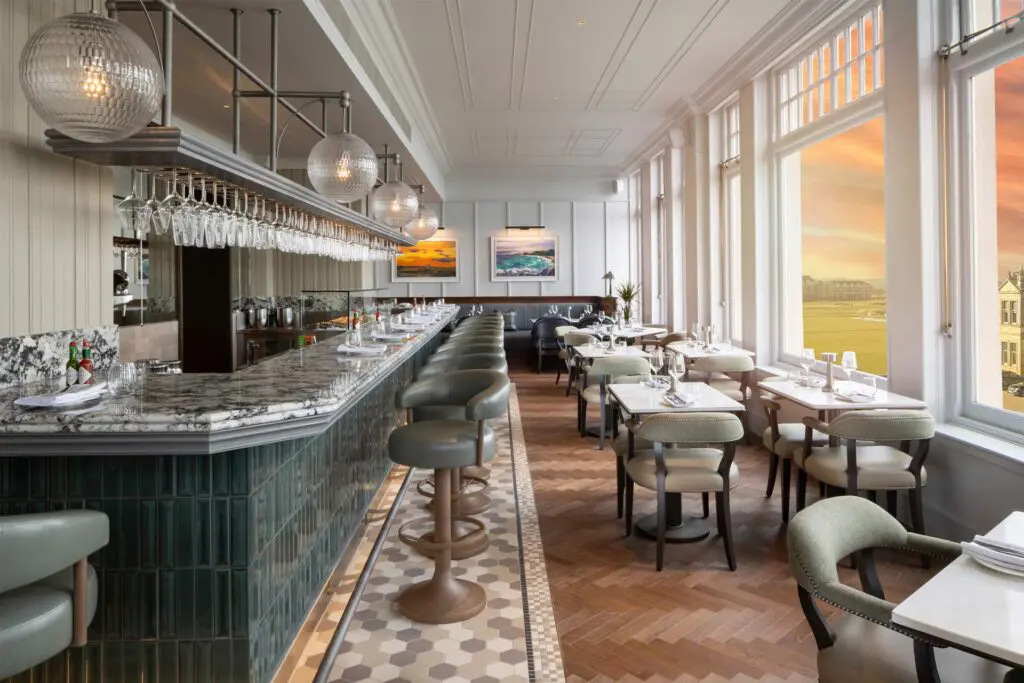
The flooring changes again in the main restaurant, where TW-E954 Brushed Smoked Oak Herringbone Parquet was selected.
Here, the smaller-scale herringbone pattern introduces movement and detail without competing with the rest of the interior.
From across the room, the floor reads as a warm expanse of smoked oak. Look more closely and the repeating geometry becomes a much stronger part of the design.
That balance makes herringbone particularly effective in hospitality spaces. It adds character and craftsmanship, but still allows furniture, lighting and other finishes to take the lead.
The guestrooms presented a very different specification challenge.
The flooring still needed to feel appropriate for a five-star hotel, but there were additional practical considerations. Regular cleaning, repeated guest use, slip resistance, durability and straightforward installation all needed to be factored into the decision.
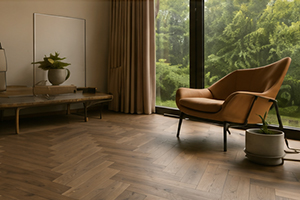
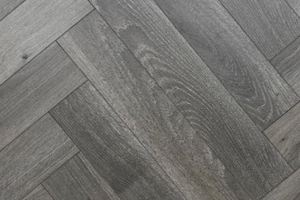
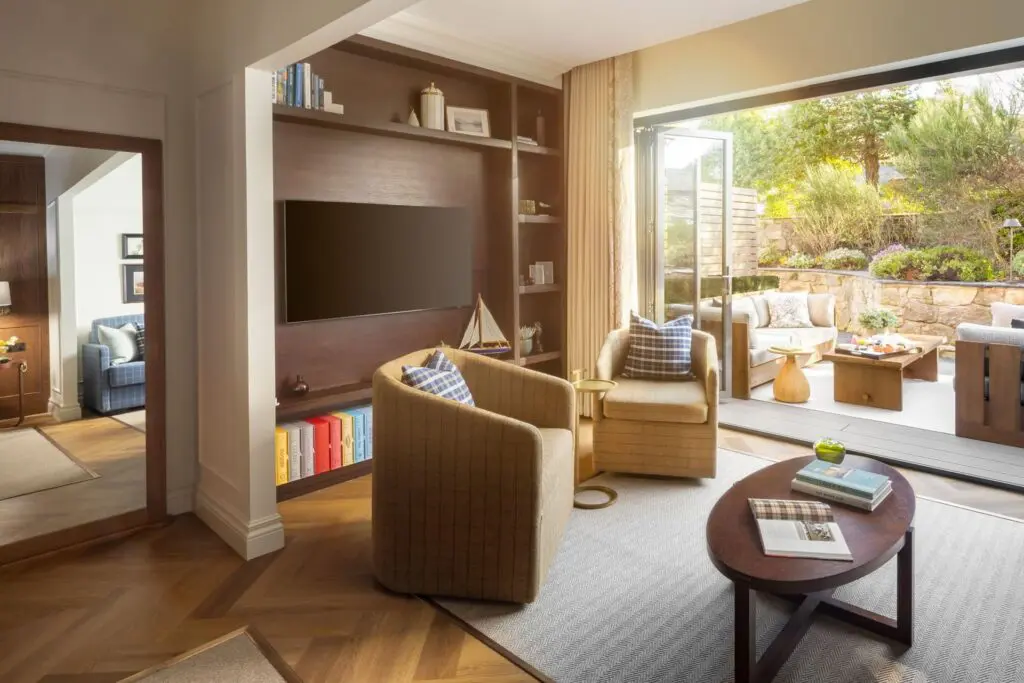
Following discussions with the project team, IMP-HB RE222 Alabaster White Oak Impervia Herringbone Parquet was chosen.
The pale herringbone finish sits comfortably alongside the tartans, tweeds and natural references used within the guestrooms, helping create a softer, more residential feel.
The reasons for choosing Impervia, however, went beyond appearance.
Its ease of cleaning, high slip resistance and durability made it particularly well suited to the day-to-day demands of hotel bedrooms. Ease of installation was another consideration, while the product offered a way to achieve the premium feel required by the scheme at a commercially viable level across a larger number of rooms.
For hotel flooring, that balance matters. A product needs to look right when the project opens, but it also has to make sense for the housekeeping and operations teams responsible for maintaining it every day afterwards.
Credit: Seaton House, (seatonhouse.com/stay)
What makes the flooring at Seaton House particularly interesting is that there was no attempt to make one specification work everywhere.
The public spaces benefit from the texture and natural variation of lighter engineered oak. The bar moves towards deeper tones, chevron pattern and contrasting Wenge detailing. Herringbone gives the restaurant another layer of movement, while Impervia responds to the more operational requirements of the guestrooms.
Each floor has its own role, but together they feel part of the same interior.
That’s often the difference between choosing flooring and properly specifying it.
The question is not simply which product looks best. It is how the room will be used, how the floor interacts with the surrounding materials, what level of maintenance will be required and whether the chosen product will continue to perform once the building is fully operational.
At Seaton House, those considerations have resulted in a flooring scheme that changes naturally with the hotel, supporting Upperworth Studios’ design while giving each space its own identity.
The completed hotel brings together the history of the original St Andrews property with a contemporary hospitality experience rooted firmly in its surroundings.
For The Solid Wood Flooring Company, the project demonstrates the breadth that can be achieved within a single flooring specification. Natural oak, chevron, herringbone and Impervia each answer a different part of the brief, with product selection shaped as much by performance and practicality as appearance.
We are proud to have played a part in creating the finished interiors.
Planning a hotel, restaurant or hospitality project? Speak to The Solid Wood Flooring Company about flooring selection, samples and specification support.
 Showrooms
 Call us: 01666 504 015